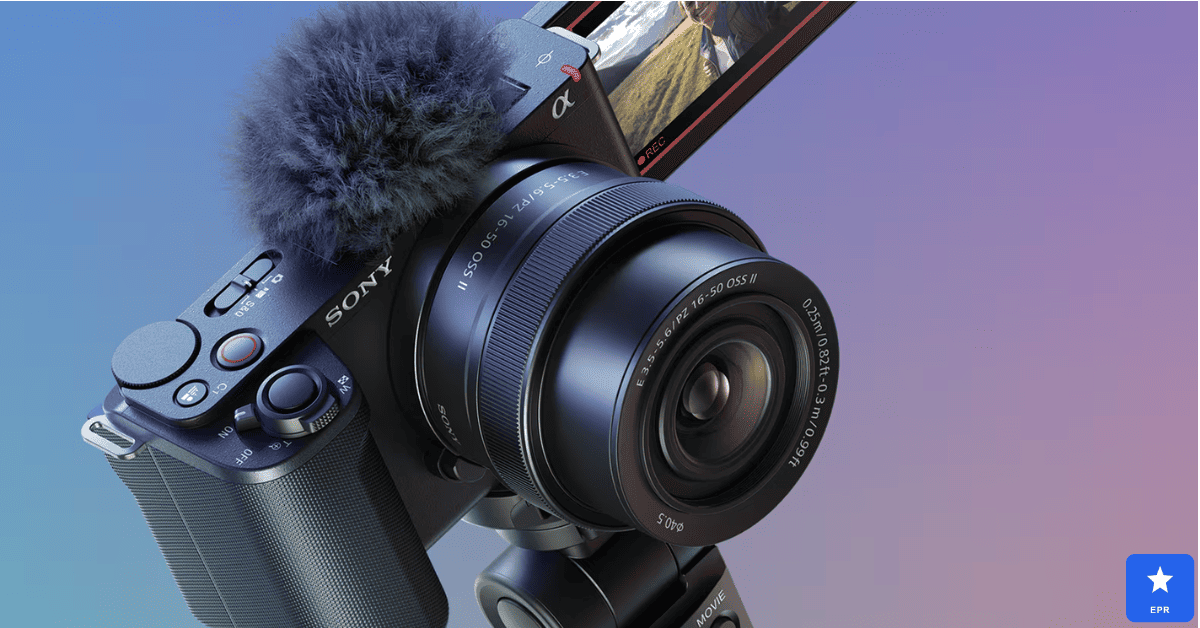
Top Picks That Won’t Break the Bank
If your phone pictures look dull and your videos don’t feel sharp or polished, a mirrorless camera can fix both problems easily. This guide looks at the best budget mirrorless cameras that are really worth buying right now, based on real tests of autofocus and video.
This list is made for content creators, students, and hobby photographers who want great picture quality without paying a pro-level price. If you already own a full-frame camera or need two memory card slots for paid client jobs, these picks may not excite you.
| Key Takeaways for Readers: Canon EOS R50 = best all-round pick for both photos and video, but battery life is weak (~300 shots). Sony ZV-E10 II = best pick for YouTube/vlogging uncropped 4K/60p, but no viewfinder. Nikon Z30 = lightest and best battery life, ideal for gimbal work, but weak in low light. Fujifilm X-M5 = best color science and 6.2K video, but slower autofocus and no image stabilization. Sony a6100 = best for stills-only shooters on a budget, but video features are dated. Rule of thumb: choose based on whether you shoot more photos or more video; that alone narrows the list fast. |
Quick Verdict: Best Budget Mirrorless Cameras at a Glance
| Camera | Best For | Sensor | Video | Approx. Price |
|---|---|---|---|---|
| Canon EOS R50 | Best overall budget pick | 24.2MP APS-C | 4K/30p | ~$680 |
| Sony ZV-E10 II | Best budget video camera | 26MP APS-C | 4K/60p | ~$1,000 |
| Nikon Z30 | Best cheap videography camera | 20.9MP APS-C | 4K/30p uncropped | ~$710 |
| Fujifilm X-M5 | Best color science on a budget | 26.1MP APS-C | 6.2K/30p | ~$800 |
| Sony a6100 | Best budget mirrorless cameras under 1000 | 24.2MP APS-C | 4K/30p | ~$650 |
Quick take: The Canon EOS R50 wins for balanced, all-round shooting between photos and everyday video. Creators focused on YouTube should look closely at the Sony ZV-E10 II instead.
1. Canon EOS R50 — Best Budget Mirrorless Camera
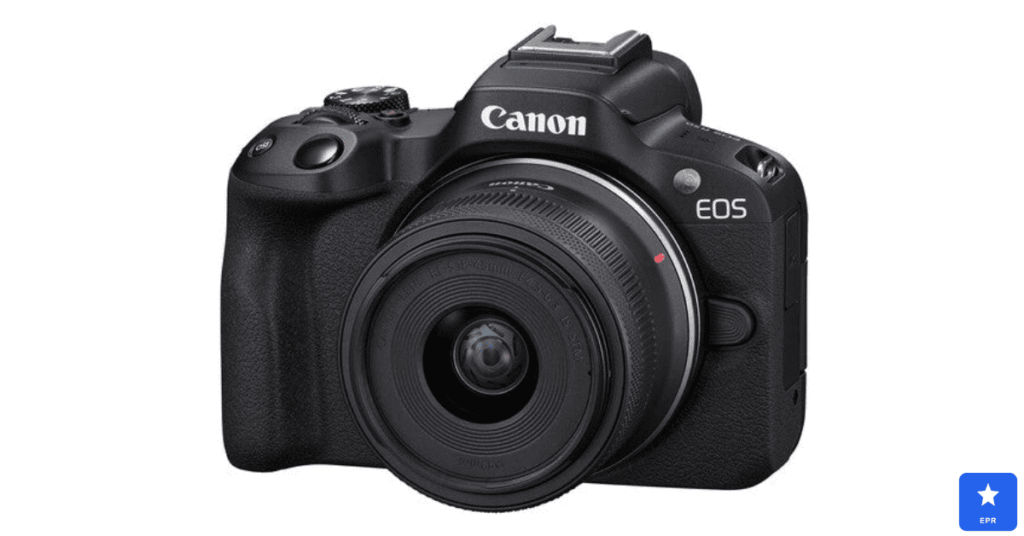
Design and Comfort
The R50 is small enough to fit in a daily bag, yet its grip still feels solid and secure in your hand. Canon’s menu system stays easy for beginners, letting new users find key settings quickly. The screen flips all the way forward, which matters a lot for solo creators framing their own vlogging shots.
Real-World Performance
Autofocus is where this camera truly earns its strong name among casual shooters and beginners. Subject tracking locks on quickly and stays locked, even when a pet or child suddenly moves across the frame. Colors straight out of the camera look warm and pleasing, needing very little editing before posting. Video quality holds up well, too, though higher frame rates introduce a small crop on the sensor.
Battery Life and Connectivity
Battery life is honestly the R50’s biggest downside, rated at around 300 shots per full charge; a spare battery is basically a required buy. Bluetooth and Wi-Fi both work reliably, and Canon’s companion app keeps transfers simple.
| Canon EOS R50 — Design & Features | |
| DESIGN | |
| Body Type | Compact, lightweight, beginner-friendly body |
| Grip | Solid, secure grip despite small size |
| Screen | Fully forward-flipping vari-angle touchscreen LCD |
| Viewfinder | Small built-in EVF |
| Extras | Pop-up flash, Multi-Function Shoe |
| FEATURES | |
| Sensor | 24.2MP APS-C CMOS + DIGIC X processor |
| Autofocus | Dual Pixel CMOS AF II, fast subject tracking |
| Video | 4K/30p (oversampled from 6K), crop on higher frame rates |
| Battery | ~300 shots per charge |
| Connectivity | Reliable Wi-Fi + Bluetooth, easy Canon Camera Connect app |
Pros & Cons
| Pros | Cons |
|---|---|
| • Reliable, fast autofocus tracking at a surprisingly low price | • Weak battery life makes a spare battery almost a must |
| • Warm, accurate skin tones straight out of the camera | • Only one memory card slot, so there’s no backup option |
| • Light body with a genuinely beginner-friendly menu | • Noticeable crop shows up during higher frame-rate 4K video |
2. Sony ZV-E10 II — Best Budget Video Camera for YouTube
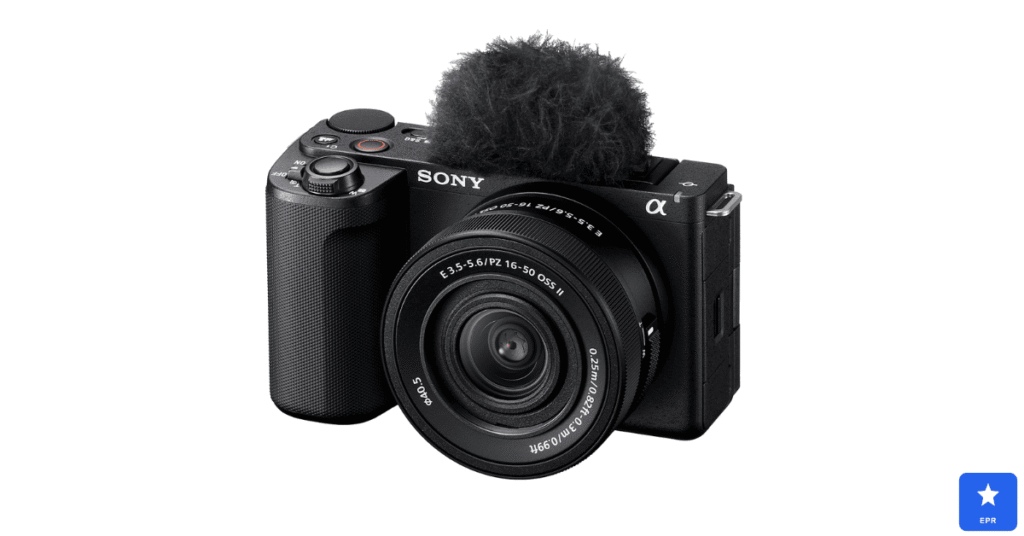
Design and Comfort
Sony clearly built this camera after listening to actual YouTubers complain about older, clunky vlogging gear. A special Product Showcase mode instantly shifts focus to objects held near the lens. It stays light enough to carry all day, though the shallow grip can feel awkward during longer handheld filming.
Real-World Performance
If you’re looking for the best camera for YouTube videos on a budget, this model easily earns that title. Uncropped 4K footage at sixty frames per second is genuinely rare at this price. A built-in Cinema Vlog preset gives a movie-like, graded look right away. Autofocus made specifically for talking-head videos stays impressively sharp.
Battery Life and Connectivity
Battery performance improves noticeably over the R50 in mixed use, though high frame-rate recording still drains it fast. USB-C charging with power delivery lets you keep recording while plugged into a power bank.
| Sony ZV-E10 II — Design & Features | |
| DESIGN | |
| Body Type | Vlogger-first design, side flip-out screen |
| Grip | Light but shallow; can feel awkward on long shoots |
| Screen | Side flip-out touchscreen with vertical orientation support |
| Viewfinder | None (EVF-less) |
| Extras | Product Showcase mode, oversized REC button |
| FEATURES | |
| Sensor | 26MP BSI Exmor R APS-C CMOS |
| Autofocus | Talking-head optimized tracking, rarely loses focus |
| Video | Uncropped 4K/60p, built-in Cinema Vlog preset |
| Battery | Better than R50, high frame-rate drains fast; USB-C PD supported |
| Connectivity | USB-C power delivery while recording |
Pros & Cons
| Pros | Cons |
|---|---|
| • Class-leading autofocus made specifically for talking-head vlog content | • Shallow grip gets uncomfortable during long handheld filming |
| • Uncropped 4K at sixty frames per second, rare at this price | • No viewfinder makes framing in bright sunlight genuinely tricky |
| • USB-C power delivery lets you record while charging from outside power | • High frame-rate video drains the battery unusually fast |
3. Nikon Z30 — Best Cheap Videography Camera
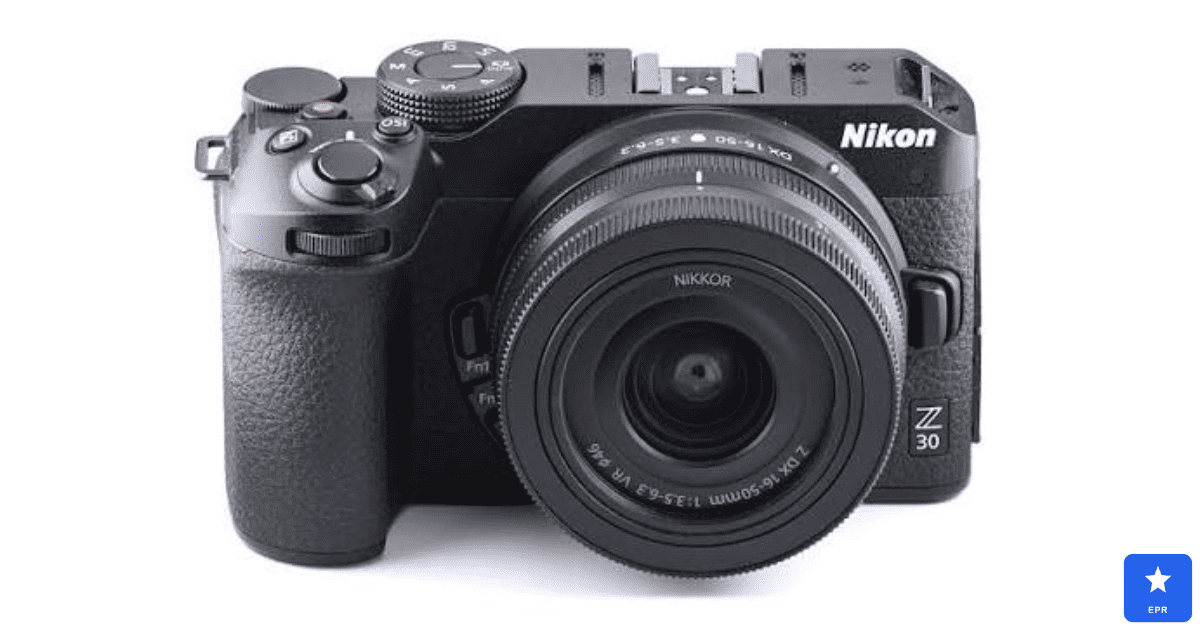
Design and Comfort
Nikon skipped the viewfinder completely here, keeping weight and price lower. This choice makes sense once you realize most owners frame shots through the flip screen anyway. It’s one of the lightest cameras on this list, which matters during long gimbal-mounted recording sessions.
Real-World Performance
Uncropped 4K video at thirty frames per second is this camera’s clear standout feature. Daylight and moderately lit indoor footage both look sharp and well-exposed. Low-light video, however, shows noticeably more visible grain compared to the Sony and Fujifilm options.
Battery Life and Connectivity
Battery life ranks among the strongest in this lineup, especially for long, photo-heavy shooting days. Bluetooth pairing stays active for quick, low-power links, and Wi-Fi transfers stay simple.
| Nikon Z30 — Design & Features | |
| DESIGN | |
| Body Type | Vlogging-optimized, lightest camera on the list |
| Grip | Compact and easy for gimbal-mounted use |
| Screen | Free-angle flip touchscreen (main framing tool) |
| Viewfinder | None (EVF-less), keeps weight and price down |
| Extras | Great for outdoor/well-lit gimbal work |
| FEATURES | |
| Sensor | 20.9MP DX-Format CMOS |
| Autofocus | Reliable in daylight; more grain shows in low light |
| Video | Uncropped 4K/30p |
| Battery | Among the strongest in this lineup |
| Connectivity | Stable Bluetooth pairing, simple Wi-Fi transfers |
Pros & Cons
| Pros | Cons |
|---|---|
| • Very lightweight design, great for all-day gimbal or handheld use | • No viewfinder at all, not ideal if you like eye-level shooting |
| • Strong daylight video quality with steady, accurate exposure | • Low-light video shows noticeably more grain and visible noise |
| • Better overall battery life than most rivals in this group | • Smaller lens selection compared to Canon or Sony systems |
4. Fujifilm X-M5 — Best Affordable Mirrorless Camera for Color
Design and Comfort
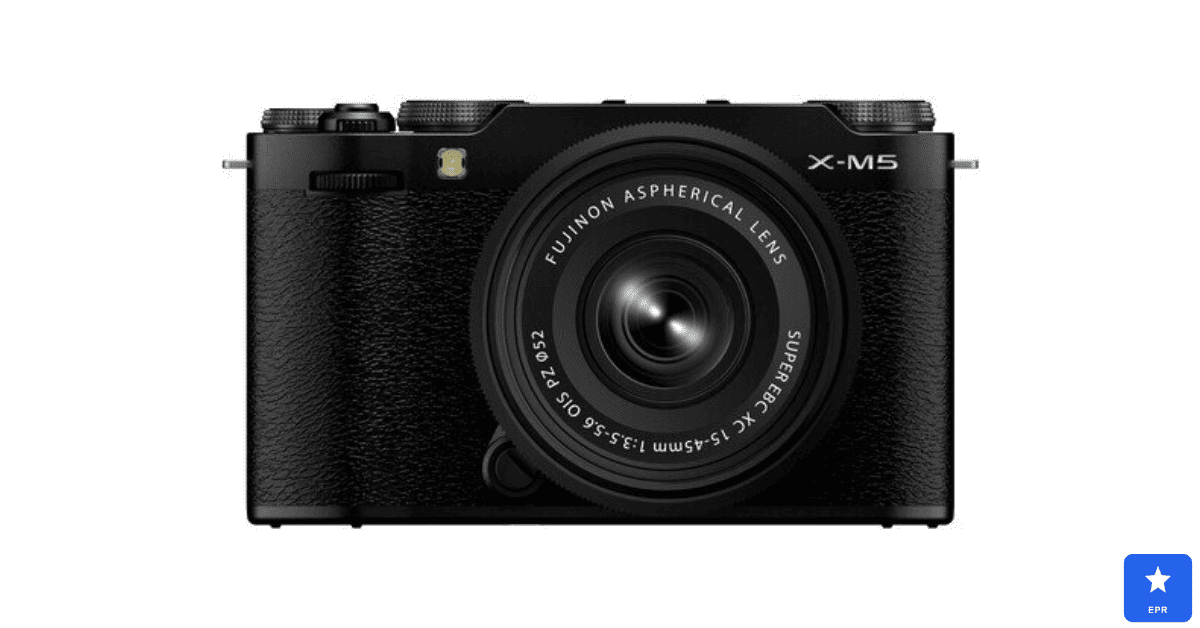
Fujifilm’s dial-heavy control layout shows up even at this lower price, rewarding photographers willing to learn manual settings. Once learned, it actually speeds up shooting compared to digging through on-screen menus. The compact body pairs nicely with Fujifilm’s small, light prime lenses.
Real-World Performance
Fujifilm’s beloved film simulations remain the biggest selling point, giving graded-looking colors straight out of the camera. Video quality genuinely impresses too, with oversampled 6.2K footage turning into crisp 4K output. Autofocus has improved a lot, though it still trails slightly behind Canon and Sony during fast action.
Battery Life and Connectivity
Battery performance sits roughly average for this group, so plan ahead for longer shooting days. Standard Bluetooth and Wi-Fi both work fine, though nothing feels especially new.
| Fujifilm X-M5 — Design & Features | |
| DESIGN | |
| Body Type | Dial-heavy retro control layout |
| Grip | Compact body, pairs well with small prime lenses |
| Screen | Articulating touchscreen |
| Viewfinder | None (EVF-less) |
| Extras | Rewards photographers who like manual dial control |
| FEATURES | |
| Sensor | 26.1MP APS-C X-Trans CMOS |
| Autofocus | Improved, but still trails Canon/Sony in fast action |
| Video | 6.2K oversampled to crisp 4K output |
| Battery | Average for this group |
| Connectivity | Standard Bluetooth + Wi-Fi |
Pros & Cons
| Pros | Cons |
|---|---|
| • Gorgeous, film-like color that needs very little editing afterward | • Autofocus tracking still lags a bit behind Canon and Sony rivals |
| • Surprisingly strong 6.2K oversampled video quality for this price | • Smaller third-party lens options compared to Sony’s mature lineup |
| • Compact, well-built body pairs nicely with smaller prime lenses | • No in-body image stabilization included at this specific price level |
5. Sony a6100 — Best Mirrorless Cameras Under 1000 for Stills
Design and Comfort
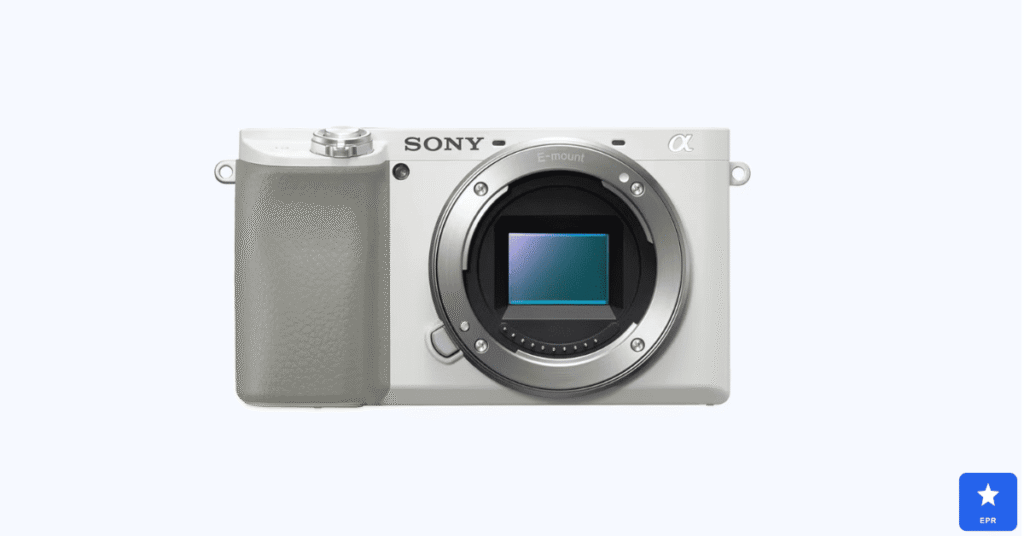
This camera has been around for several years now, and its slightly old menu system clearly shows that age. Still, the compact, light body remains genuinely comfortable during long walk-around photo sessions. It slips easily into smaller bags, making it a practical everyday travel pick.
Real-World Performance
Sony’s real-time tracking autofocus remains excellent even in this older, more affordable body. Still photos look sharp and detailed across a wide range of shooting conditions. Video capability exists but trails newer options like the ZV-E10 II, missing flat picture profiles and advanced vlogging tools.
Battery Life and Connectivity
Battery life ranks among the strongest here, especially for photographers shooting stills throughout full travel days. Wi-Fi and Bluetooth both work reliably, though Sony’s companion app feels noticeably older.
| Sony a6100 — Design & Features | |
| DESIGN | |
| Body Type | Compact, light, several-years-old design |
| Grip | Comfortable for long walk-around sessions |
| Screen | Tilting touchscreen does not flip fully forward |
| Viewfinder | Built-in EVF |
| Extras | Slips easily into small bags, travel-friendly |
| FEATURES | |
| Sensor | 24.2MP APS-C CMOS |
| Autofocus | Excellent real-time tracking, inherited from higher-end Sony bodies |
| Video | 4K/30p only, no flat picture profiles, fewer vlogging tools |
| Battery | Among the strongest here; great for all-day stills |
| Connectivity | Reliable Wi-Fi/Bluetooth, older companion app |
Pros & Cons
| Pros | Cons |
|---|---|
| • Excellent autofocus tracking carried over from Sony’s higher-end camera bodies | • Menu system feels noticeably older compared to newer rival cameras |
| • Strong all-day battery life, great for stills-focused shooting | • No 4K footage at sixty frames per second available here |
| • Wide, mature lens lineup built up over many years | • Screen doesn’t flip all the way forward, limiting solo vlogging use |
Canon EOS R50 vs. Sony ZV-E10 II: Which Should You Buy?
- Choose the Canon EOS R50 if you want one camera that handles both photos and video equally well; the safer pick if you’re unsure which type of content you’ll shoot more often.
- Choose the Sony ZV-E10 II if video, especially YouTube or vlogging, is your top creative priority; its dedicated video features simply beat the R50 for channel builders.
How to Choose the Best Budget Mirrorless Camera for You
Matching the right camera to your actual shooting habits matters far more than chasing an impressive spec sheet.
- Best budget mirrorless camera overall: Canon EOS R50
- Best camera for YouTube videos on a budget: Sony ZV-E10 II
- Best cheap videography camera for gimbal work: Nikon Z30
- Best affordable mirrorless camera for color quality: Fujifilm X-M5
- Best mirrorless cameras under 1000 for stills: Sony a6100
If you’re still torn between two options, ask yourself one question: am I shooting more photos, or am I shooting more video content? That single answer usually cuts this list in half right away.
Frequently Asked Questions
Q1: Are budget mirrorless cameras actually worth buying over a smartphone?
Yes, dedicated sensors, real optical zoom, and full manual control easily beat smartphone limits for serious photo or video work.
Q2: What’s the best mirrorless camera under $1000 for total beginners?
Both the Canon EOS R50 and Sony a6100 are great starting points, with forgiving autofocus, simple menus, and large lens lineups.
Q3: Do I need to buy extra lenses right after buying my camera?
Not right away; the included kit lens is capable enough. Add a second lens later once you know what your style needs.
Q4: Can these budget mirrorless cameras shoot good video for beginners?
Yes, the Sony ZV-E10 II and Fujifilm X-M5 in particular deliver sharp, well-graded 4K footage straight out of the camera.
Q5: Which budget mirrorless camera has the best battery life?
The Nikon Z30 and Sony a6100 lead the group, both easily lasting a full day of shooting on one charge.
Final Verdict
For most shoppers, the Canon EOS R50 remains our safest pick; its autofocus reliability at this price point is genuinely hard for competitors to match. However, if your content leans heavily toward video, don’t overthink this decision too much and simply grab the Sony ZV-E10 II. Whichever model you choose, each one on this list ranks among the best budget mirrorless cameras you can buy today
Every camera on this list will clearly outperform your smartphone without overspending on gear. Pick the model that matches your actual shooting habits, and you’ll end up with a camera you’ll enjoy using every day.
Prices listed above are approximate body-only figures at the time of writing and can change; always check current pricing before buying.