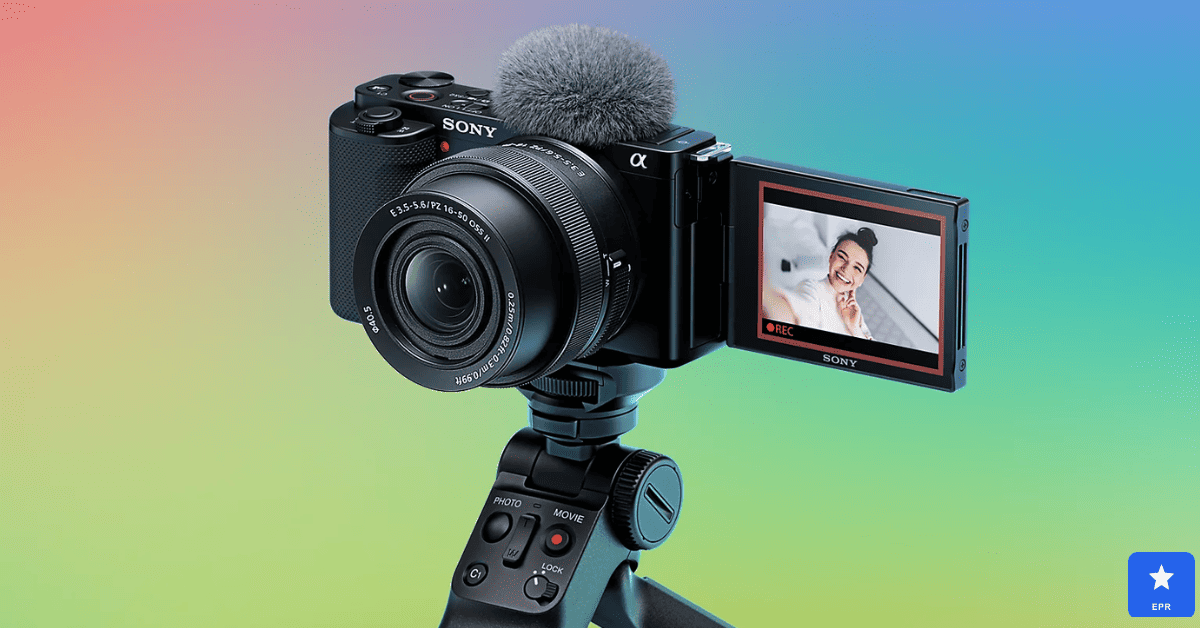
Sony ZV-E10 II Review 2026: 5 Shocking Truths to Know
Imagine spending around $1,000 on a vlogging camera, then watching your very first clip wobble, overheat, or look flat and lifeless on your editing screen. That painful mistake happens to beginners every week, and the Sony ZV-E10 II claims it can stop it for good. We researched specs, expert reviews, and owner feedback to see whether that bold promise holds up in real-world use or falls apart.
The short answer may surprise you, because this camera is a brilliant choice for some creators and a costly regret for others. Beginners, YouTubers, and travel vloggers will love the sharp 4K video, smooth autofocus, and easy menus that make solo filming feel effortless. Stills photographers and handheld walkers should read carefully first, because a few honest flaws could change your decision before you spend a single dollar.
Key Takeaways
- The Sony ZV-E10 II adds 10-bit 4K60 video, a faster sensor, and a bigger battery, making it a real upgrade over the original.
- Expect a street price near $1,000 for the body alone, which is roughly $300 above the older model that it replaces.
- Shoppers who need steadier handheld footage or serious photo features should look at the pricier a6700 before spending their money.
- Beginners who want room to grow will find this camera one of the safest and most flexible doors into Sony’s E-mount world.
- Heat control, screen visibility, and the missing neutral density filter are the honest weak spots that you should plan around before buying.
Quick Verdict Table
| Category | Verdict |
|---|---|
| Video quality | Excellent for the price |
| Autofocus | Very reliable for talking-head clips |
| Photo features | Average, with notable limits |
| Handheld stability | Weak without a gimbal |
| Value for money | Good if you plan to color grade |
| Best suited for | Solo vlogging and YouTube |
Who This Guide Is For
- You are a beginner or YouTuber who wants a compact camera that records sharp, color-rich clips without a steep learning curve.
- You plan to edit footage later and want files flexible enough to survive heavy color correction without falling apart or showing ugly banding.
- You like upgrading lenses slowly, starting with a kit zoom and adding fast primes as your channel and income grow.
Skip This Guide If
- You mainly shoot photographs, because composing on the rear screen without a viewfinder feels slower than using the competing bodies reviewed below.
- You film handheld while walking most of the time, since digital correction cannot match the smoothness of a stabilized sensor.
1. Sony ZV-E10 II: Best Creator Camera in This Guide
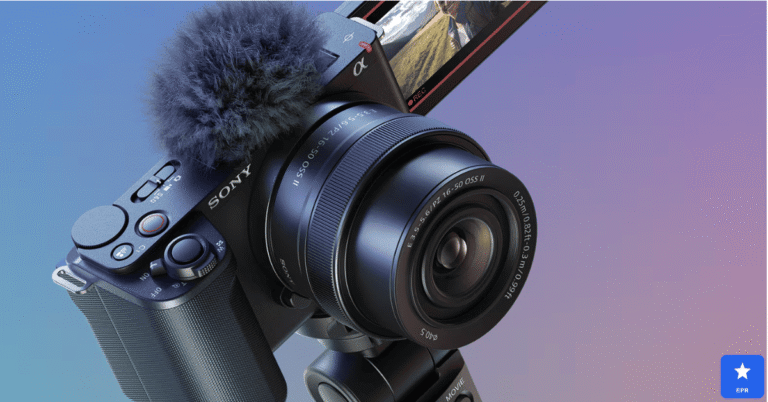
Sony launched this camera in July 2024 as the direct successor to its best-selling vlogging body, aimed squarely at ambitious beginners. It borrows the sensor and processor family used inside the pricier a6700 and the FX30 cinema model, which is rare at this price. That shared hardware explains why its video quality feels a full class above what the compact body size would normally suggest.
On paper, the upgrades focus on motion handling, color depth, and endurance instead of flashy gimmicks that rarely help real creators. Reviewers say rolling shutter, the jelly-like wobble during fast pans, is far calmer than it was on the older model. The result is a camera that feels polished and dependable for daily creator work rather than experimental or half-finished like some early releases.
| Feature | Details |
|---|---|
| Sensor | 26MP back-illuminated APS-C |
| Processor | BIONZ XR |
| Video | 4K up to 60p, 10-bit 4:2:2 |
| Autofocus | 759 focus points |
| Stabilization | Electronic only, no in-body system |
| Screen | 2.95-inch fully articulating, about 1.04M dots |
| Battery | NP-FZ100 Li-ion |
| Weight | 292 g body only, 377 g with battery and card |
| Ports | USB-C, micro HDMI, 3.5 mm mic jack, Wi-Fi, Bluetooth |
| Approx. price | About $999 body, about $1,099 with 16-50mm kit lens |
Deep Dive: Real-World Performance
Design and Comfort
The body is small, boxy, and easy to slip into a jacket pocket when paired with a compact prime lens. The grip is shallow, so long handheld takes feel tiring unless you add an optional handle, as reviewers strongly recommend. The swinging screen makes framing yourself simple, even when you record alone in a small room or a crowded street.
Controls are minimal by design, with a clear record button and a touch-friendly menu that beginners usually pick up quite quickly. Reviewers describe the layout as friendly for newcomers, though the single top dial slows manual photo work for more experienced shooters. The built-in three-capsule microphone is fine for casual talking, yet a plug-in microphone remains the easiest upgrade for cleaner audio in noisy places.
Video and Autofocus
Footage looks clean and detailed because 4K modes up to 30p use oversampled capture from a larger area of the sensor. The 60p mode adds a slight crop, and digital stabilization adds a further crop on top, so wide shots tighten noticeably. Plan your lens choice around that limit, and consider a wider lens if you often film yourself at arm’s length.
Autofocus is the star, with wide coverage, reliable face tracking, and smooth transitions that rarely hunt during talking-head clips or product demos. Heat is the main worry, because long 4K60 recordings can stop surprisingly early in warm rooms or under direct sunshine. Switching the temperature setting to high helps a lot, and reviewers managed more than an hour of continuous 4K60 recording indoors.
Battery Life
Sony rates the camera for about 195 minutes of continuous recording, while the stricter CIPA real-world figure lands near 130 minutes in Full HD. Photo shooters can expect more frames than the official rating suggests, with reviewers reporting roughly 600 shots per charge in everyday use. That is a solid improvement over the smaller pack used by the original, especially for creators who film long interviews.
Most creators will still want a spare cell for long event days, because continuous 4K recording uses power much faster than casual photos. Carrying one extra battery costs little compared with missing a shot during a long outdoor event or a full travel day. The camera uses the same NP-FZ100 pack as the a6700, so spare batteries are easy to find and share between bodies.
Connectivity and Audio
A fast USB-C port handles data transfers, which is handy for moving large 4K files to a computer after long shoots every week. 5 GHz Wi-Fi and Bluetooth speed up wireless phone transfers, so social posts can go live within minutes of finishing a shoot. The micro HDMI port allows output to an external monitor, which helps when you need a larger preview during long outdoor shoots.
Audio options cover both beginners and advanced users, because the built-in mic can be replaced by any 3.5 mm plug-in model. The multi-interface shoe adds a mounting point for accessories such as flashes, giving you room to expand your kit over time. Plugging in a lavalier or shotgun microphone through the 3.5 mm port is the simplest way to lift speech clarity for interviews.
Pros and Cons
Pros
- Beginner-friendly menus and creator presets help new users get pleasing results quickly, without studying long tutorials or watching hours of setup videos.
- The huge E-mount lens catalog lets you upgrade glass gradually as your skills and budget grow over time, without changing camera bodies.
- A front-facing screen and tally light make solo recording easier for reviewers who film themselves at a desk or in a small room.
- Log profiles and custom LUT support save editing time for creators who want a consistent signature look.
Cons
- The price gap over the original model is large, so casual uploaders who rarely edit may not feel enough improvement to justify it.
- The screen is hard to read in direct sunlight, which makes outdoor framing frustrating without a shade or an external monitor.
- There is no built-in neutral density filter, so bright outdoor scenes need extra gear to keep shutter speeds looking cinematic.
- Plentiful recording options and layered menus can overwhelm absolute beginners, who may need a few weekends of practice before feeling comfortable.
- Fast flash photography can show banding under artificial lights because the camera has no mechanical shutter fitted inside the body.
2. Sony ZV-E10: Best Budget Starter
Released in 2021, the original became popular because it brought interchangeable lenses and a flip-out screen to a very small price tag. Searches for the Sony ZV-E10 remain strong because many creators still buy it for easy YouTube clips and quick social posts. The used market keeps it attractive for tight budgets, and plenty of sellers offer bundles with a lens, bag, and tripod.
Its weak spots are motion handling and color depth, since 4K tops out at 30 frames and files are 8-bit. Even so, the sensor delivers sharp results in good light, and the autofocus remains friendly for beginners who film themselves. Think of it as a dependable first camera rather than a long-term workhorse that will serve a growing channel for years.
| Feature | Details |
|---|---|
| Sensor | 24MP APS-C |
| Video | 4K up to 30p, 8-bit |
| Autofocus | 425 focus points |
| Stabilization | Electronic only, no in-body system |
| Screen | 2.95-inch fully articulating, about 921.6K dots |
| Weight | 343 g with battery |
| Approx. price | About $700 body, about $800 with kit lens |
3. Sony a6700: Best for Hybrid Shooters
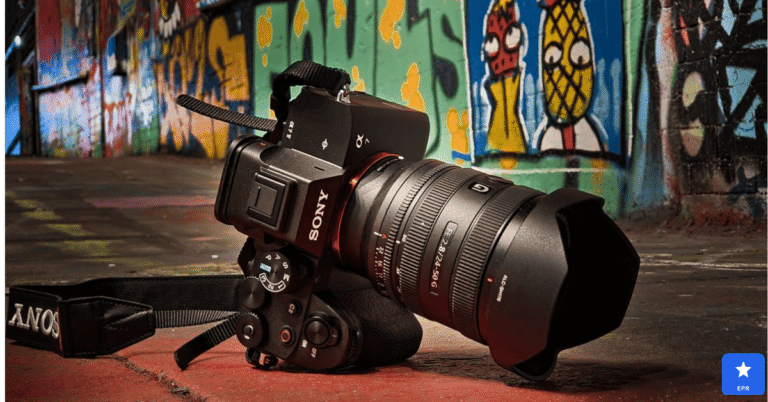
Launched in 2023, the a6700 sits at the top of Sony’s APS-C range and targets serious hobbyists and working creators. It packs a stabilized sensor, an eye-level viewfinder, and a mechanical shutter into one body, which makes it far more versatile than its siblings. Photographers and filmmakers can therefore share one tool, which reduces gear costs for freelancers who handle both types of jobs.
Video specs lean professional, with 4K at up to 120 frames, 10-bit recording, and S-Log3 support for demanding color grading work. Subject recognition covers people, animals, and birds, which helps wildlife and event shooters keep fast-moving subjects sharp across the whole frame. The trade-off is a higher price and a noticeably heavier build, which some travel creators will find tiring over long days.
| Feature | Details |
|---|---|
| Sensor | 26MP APS-C Exmor R CMOS |
| Processor | BIONZ XR |
| Video | 4K up to 120p, 10-bit 4:2:2 |
| Autofocus | 759 points for stills, 495 for video |
| Stabilization | 5-axis in-body, rated up to 5.5 stops |
| Screen and viewfinder | 3.0-inch touchscreen, 0.39-inch 2.3M-dot EVF |
| Battery | NP-FZ100, about 570 shots |
| Weight | 493 g |
| Ports | USB-C, micro HDMI, Wi-Fi, Bluetooth |
| Approx. price | About $1,400 body at launch |
4. Sony a6400: Best for Photo-First Buyers
Arriving in 2019, the a6400 remains popular because its autofocus still impresses and used prices are now very friendly to modest budgets. Bargain hunters often search for a6400 Sony listings after spotting discounts, so stock appears regularly on marketplaces and in local shops. A built-in viewfinder gives it an edge for stills photographers who dislike composing every shot on a glaring rear screen.
Video is capable yet dated, with 4K limited to 30 frames and a smaller battery that drains faster during long sessions. The screen tilts upward for selfies, though it cannot fully swing out to the side as newer vari-angle designs can. Treat it as a bargain for stills first and vlogging second, and then your expectations will match what it delivers.
| Feature | Details |
|---|---|
| Sensor | 24.2MP APS-C |
| Video | 4K up to 30p, 1080p up to 120p |
| Autofocus | 425 phase-detect points |
| Stabilization | None in-body |
| Screen and viewfinder | 3-inch tilting touchscreen, 2.36M-dot OLED EVF |
| Battery | NP-FW50, about 360 shots |
| Weight | 403 g with battery and card |
| Ports | Mic input, HDMI output |
| Approx. price | About $900 body, about $1,000 with kit lens (launch) |
Price Comparison
| Camera | Approx. Body Price | Approx. Kit Price | Notes |
|---|---|---|---|
| Sony ZV-E10 II | $999 | $1,099 | Kit often discounted, but some retailers list it higher |
| Sony ZV-E10 | $700 | $800 | Frequently found cheaper on the used market |
| Sony a6700 | $1,400 | Not listed | Premium price for stabilization and photo features |
| Sony a6400 | $900 | $1,000 | Mostly sold used or discounted today |
Prices shown are approximate launch or list figures, and they may change at any time depending on your region and retailer. Check current retailer pages before ordering, because regional taxes, bundles, and seasonal sales can shift the final amount by a noticeable margin. Used listings are usually cheaper for the older models, but always confirm warranty status and shutter count with the seller first.
Who Is Each Camera Best For?
- Sony ZV-E10 II suits creators who want smooth motion, rich color, and a camera they can keep using as their channel grows.
- Sony ZV-E10 suits students and casual uploaders who need a low-cost starter body and do not plan any heavy editing work.
- Sony a6700 suits hybrid shooters who film events, travel, and wildlife while also delivering high-quality photographs to paying clients across many different assignments.
- Sony a6400 suits photo-first hobbyists who want a viewfinder and strong autofocus at a bargain price on the used market.
Competitor Comparison
- Versus the ZV-E10: you pay about $300 more for cleaner motion and richer color, which matters mainly if you edit footage seriously.
- Versus the a6700: you save roughly $400 but give up the stabilized sensor, viewfinder, and mechanical shutter that busy hybrid shooters value.
- Versus the a6400: you gain a modern video toolset and swing-out screen, while the older body keeps a cheaper entry price for photographers.
- Shoppers comparing a6700 Sony listings should remember that the extra cost buys photo flexibility more than simple vlogging convenience or extra everyday comfort.
How to Choose
- Set your budget first, because spending under $800 points toward the older vlogging body or a used a6400 from a trusted seller.
- Decide whether video or photos matter more, since heavy photo use makes the viewfinder-equipped bodies worth a much closer look before you buy.
- Think about lenses early, because a wide, stabilized lens often matters more for vlogging than small differences between camera bodies.
- Budget for accessories such as a spare battery, a handle, and a microphone before you finally commit to any single model.
FAQs
Q1. Is the Sony ZV-E10 II worth buying in 2026?
Yes, for creators who want 10-bit 4K60 video and better color, though casual users may find the older model cheaper and sufficient.
Q2. What is the difference between the Sony ZV-E10 and the newer model?
The newer version adds a faster 26MP sensor, 10-bit recording, 4K60, less rolling shutter, and a larger battery for longer shooting sessions.
Q3. Does the Sony ZV-E10 II have in-body stabilization?
No, it relies on lens stabilization and digital correction, so a gimbal or the stabilized a6700 suits walking shots much better.
Q4. Is the Sony ZV-E10 II better than the Sony a6700 for vlogging?
Not always, because the pricier body offers steadier handheld clips, while this camera wins on weight and lower cost for desk vlogs.
Q5. Is the Sony a6400 still a good camera in 2026?
Yes, for photographers on a budget, since autofocus and the viewfinder remain strong, though video is limited to 4K at 30 frames.
One Comment